SEOJune 6, 2026
Google Search Is Now AI Search: What Businesses Need to Know
Google is evolving into an AI-powered answer engine. Learn how AI search is changing SEO and what businesses must do to stay visible online.
Agix International
Agix International
For years, businesses focused on one primary goal in search marketing: ranking higher on Google.
The strategy was simple. Improve your rankings, attract more clicks, drive more traffic, and generate more leads.
Today, that approach is changing.
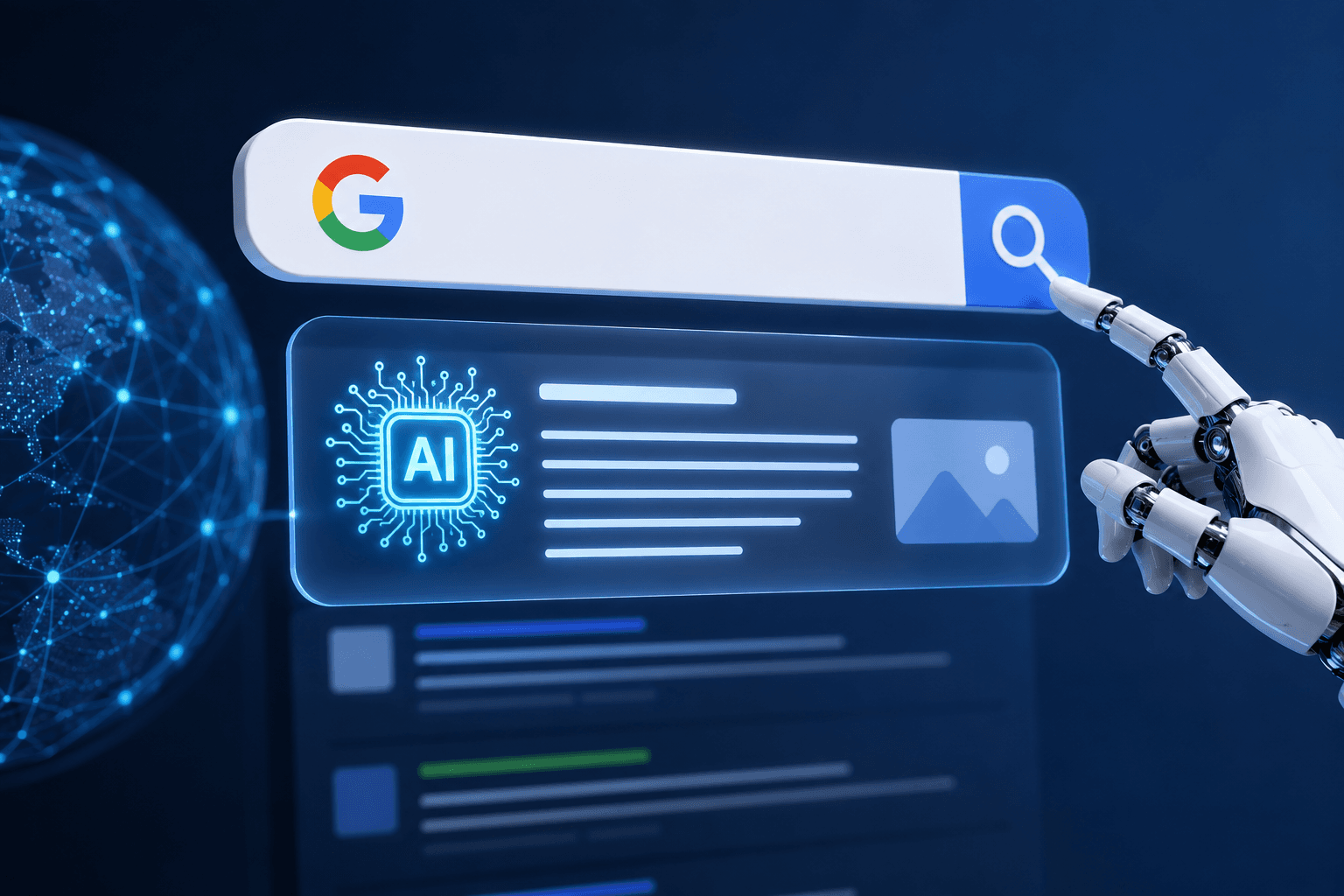
Google is rapidly transforming from a traditional search engine into an AI-powered answer engine. With features like AI Overviews and AI Mode, users can now get complete answers directly within search results without clicking through multiple websites.
This shift is changing how people discover information online and how brands need to think about SEO.
Search Is No Longer Just About Links
Traditionally, Google displayed a list of web pages and allowed users to choose which result best answered their question.
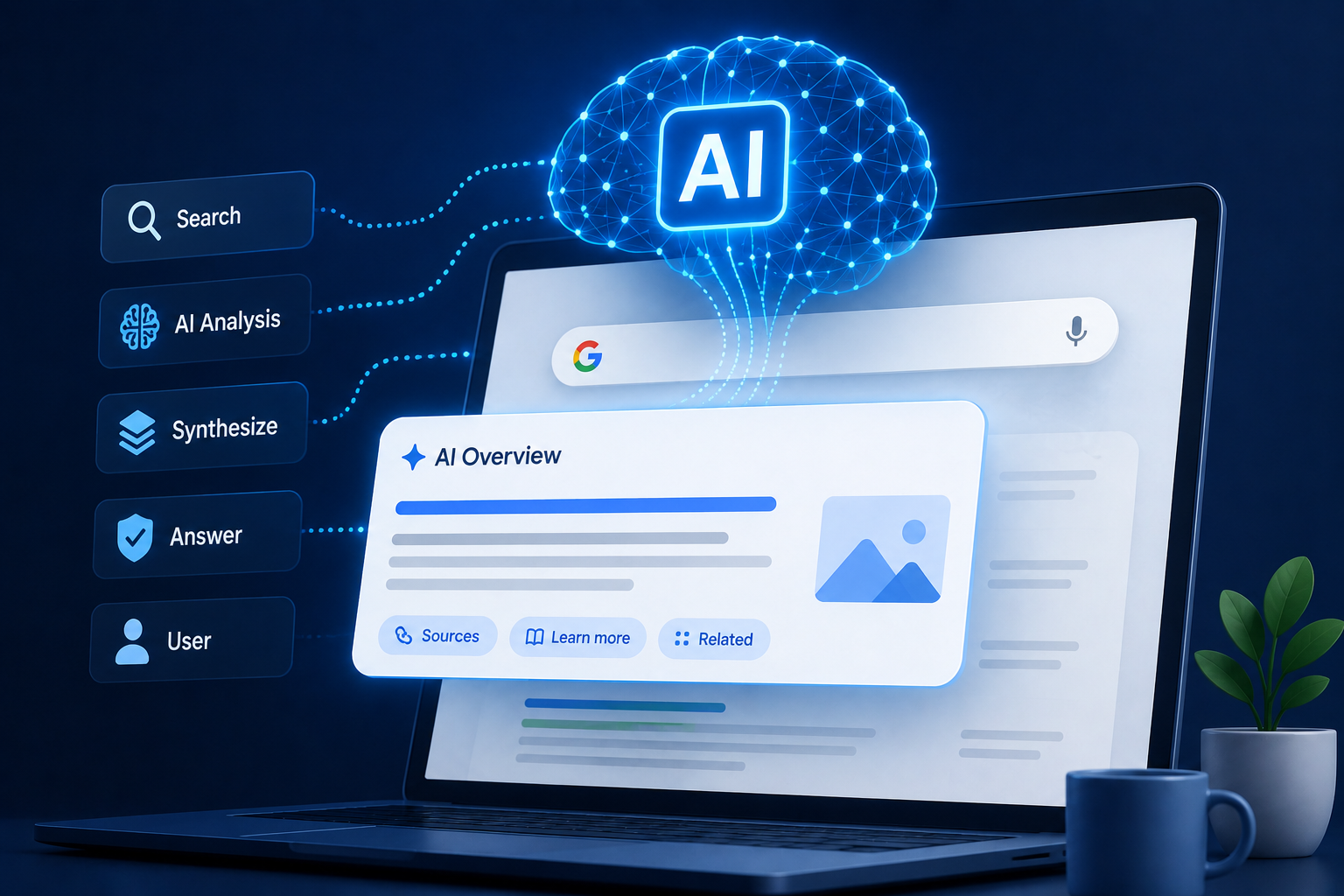
Now, Google's AI can analyze information from multiple sources and generate a detailed response right on the search results page.
For users, this creates a faster and more convenient experience.
For businesses, it introduces a new challenge. If Google provides the answer immediately, users may never visit your website.
That means ranking on the first page is no longer the only measure of success. Your content must also be credible enough for AI systems to reference and trust.
Why This Matters for Brands
The way consumers search for information is evolving.
People are increasingly asking longer, more conversational questions. Instead of searching for "best CRM software," they might ask, "What is the best CRM software for a small business with a remote sales team?"
AI-powered search is designed to answer these complex questions directly.
As a result, businesses need content that goes beyond basic keyword targeting. Content must provide clear answers, practical insights, and genuine expertise.
Brands that create valuable and trustworthy content will have a better chance of appearing in AI-generated responses.
SEO Is Not Dead
Every major shift in search brings predictions that SEO is finished.
The reality is very different.
SEO is still important. The difference is that the focus is shifting from simply ranking pages to building authority and trust.
The core principles remain the same:
- Create helpful content
- Demonstrate expertise
- Build authority within your industry
- Provide a great user experience
- Keep information accurate and updated
These factors help both search engines and AI systems understand the value of your content.
What Businesses Should Do Right Now
Focus on Content Quality
Generic content is becoming less effective.
AI systems can easily summarize information that already exists across hundreds of websites. To stand out, your content should offer unique insights, real-world experience, original research, or practical examples.
Answer Real Customer Questions
Think about the questions your customers ask during sales calls, consultations, or support conversations.
Creating content that directly addresses these questions can improve visibility in both traditional search and AI-generated results.
Improve Content Structure
Well-organized content is easier for both people and AI systems to understand.
Use clear headings, short paragraphs, bullet points, and direct answers where appropriate.
Build Topical Authority
Publishing random blog posts is no longer enough.
Businesses should create clusters of content around their core services and expertise. This helps Google recognize your website as a trusted source within a specific topic area.
Keep Content Fresh
Outdated information can reduce credibility.
Regularly review and update existing content to ensure it remains accurate, relevant, and useful for readers.
The Future of Search Belongs to Trusted Brands
AI is changing how information is discovered online, but it is not replacing the need for quality content.
In fact, trusted content is becoming more important than ever.
AI systems still need reliable sources to generate accurate answers. Businesses that consistently publish valuable, authoritative, and user-focused content will continue to earn visibility.
The future of search is not about chasing algorithms.
It is about becoming the source that both people and AI trust.
Brands that focus on expertise, credibility, and genuine value will be in the strongest position as Google continues its transition from search engine to AI-powered discovery platform.