Web DevelopmentMay 23, 2026
Shopify vs WordPress: Which Is Better for Ecommerce?
Compare Shopify vs WordPress for ecommerce. Learn features, pricing, SEO, and scalability to choose the right web development agency solution.
Agix International
Agix International
Choosing the right platform is a critical step for any online business. Shopify and WordPress are two of the most popular options for ecommerce. Each platform offers different strengths based on business size, technical skills, and growth plans. This guide explains the key differences to help you decide.
Overview of Shopify vs WordPress
Shopify is a fully hosted ecommerce platform. It provides everything needed to build and manage an online store, including hosting, security, and support.
WordPress is an open source content management system. For ecommerce, it requires plugins like WooCommerce. It offers flexibility but needs separate hosting and setup.
A web development agency often recommends one based on project goals and budget.
Ease of Use – Shopify vs WordPress
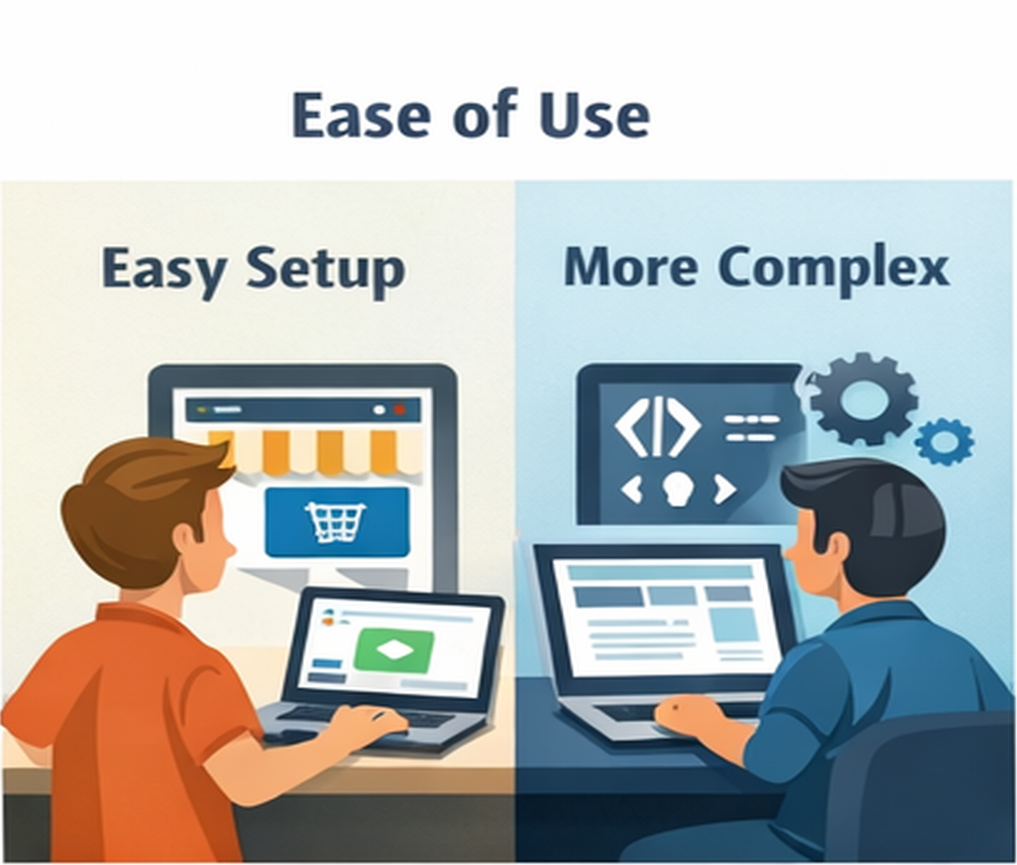
Shopify is built for beginners. It has a simple dashboard and guided setup. Users can launch a store quickly without coding knowledge. Features like product upload, payment setup, and order management are straightforward.
WordPress has a steeper learning curve. Setting up hosting, themes, and plugins takes time. WooCommerce adds ecommerce features, but users need to manage updates and compatibility.
For users with limited technical skills, Shopify is easier. For those who want full control, WordPress is more suitable.
Design and Customization – Shopify vs WordPress
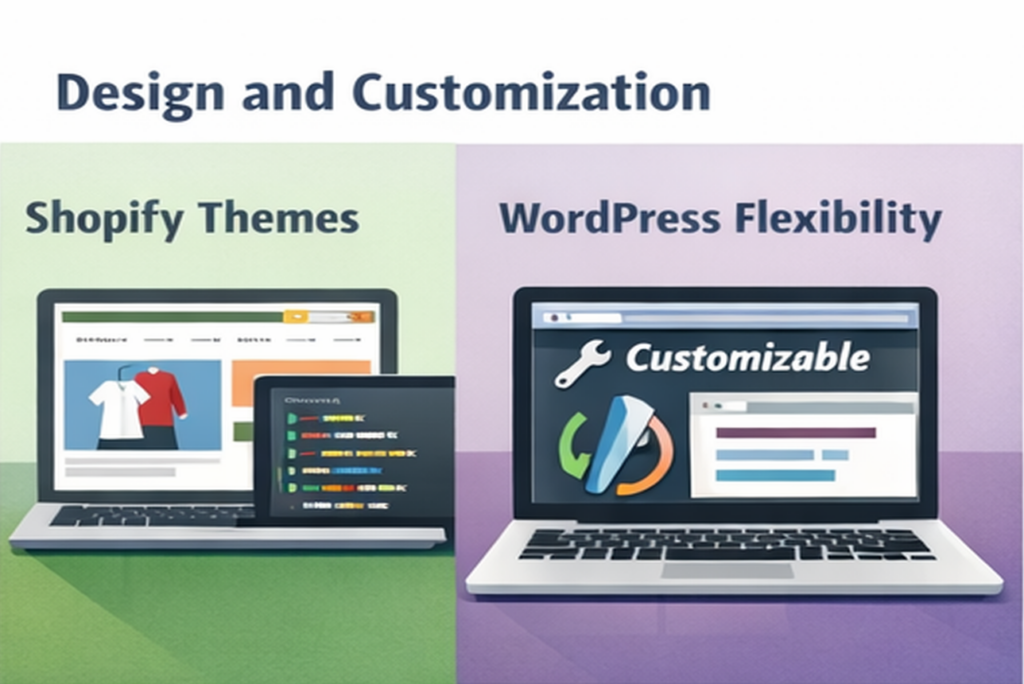
Shopify offers a range of themes, both free and paid. These themes are clean and optimized for ecommerce. Customization is possible, but deeper changes require knowledge of Liquid, Shopify’s template language.
WordPress provides greater design flexibility. Thousands of themes and plugins allow full customization. Developers can modify code, layouts, and features without limits.
A web development agency often prefers WordPress for custom projects and Shopify for faster deployment.
Ecommerce Features – Shopify vs WordPress
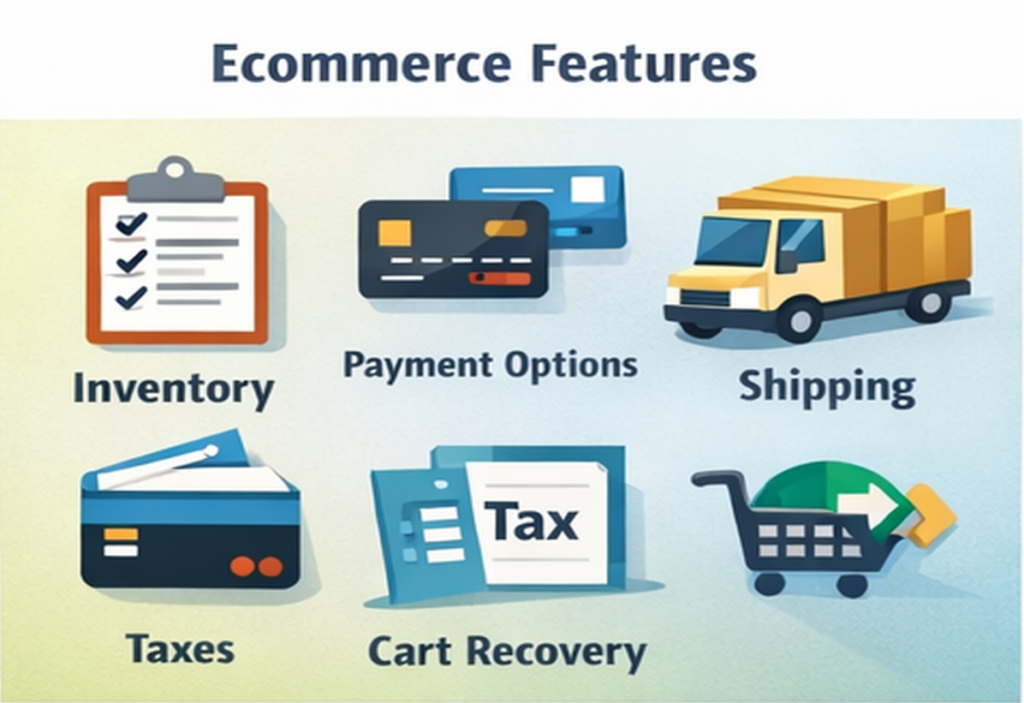
Shopify is built specifically for ecommerce. It includes:
- Inventory management
- Payment gateway integration
- Shipping setup
- Tax calculation
- Abandoned cart recovery
These features are available out of the box.
WordPress with WooCommerce also offers strong ecommerce features, but many require additional plugins. This can increase setup time and maintenance.
Shopify is better for quick setup. WordPress is better for tailored functionality.
SEO Capabilities – Shopify vs WordPress
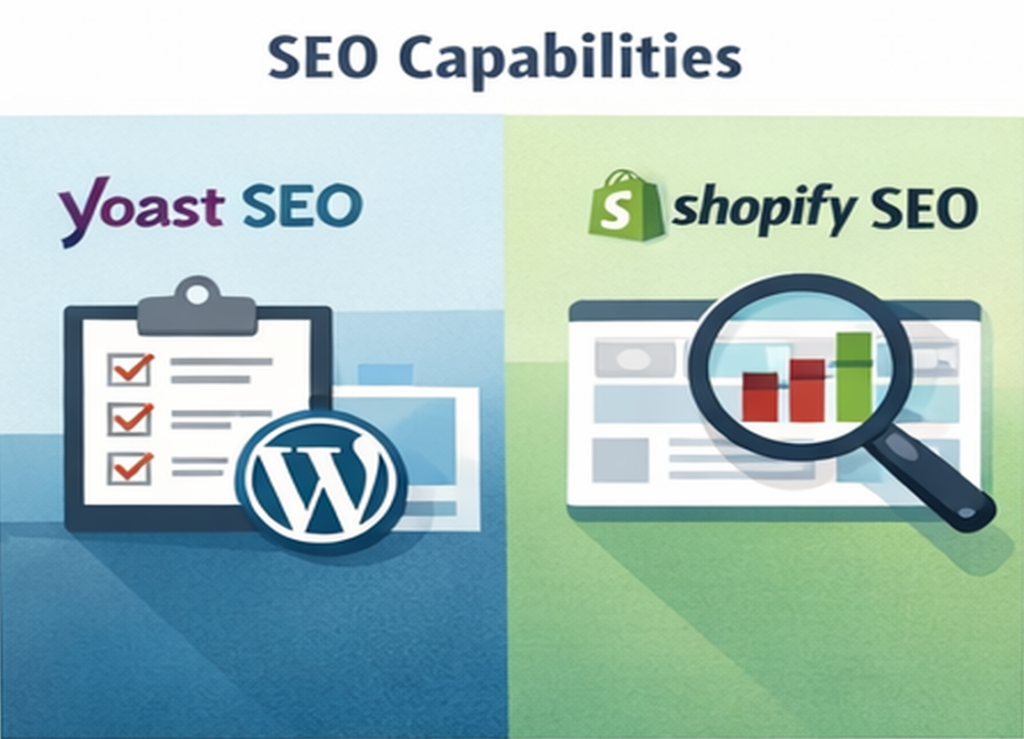
WordPress is widely known for strong SEO control. Users can edit URLs, meta tags, and content easily. Plugins like Yoast SEO help manage optimization.
Shopify also supports SEO, but with some limitations. URL structures are fixed in certain areas, and advanced control is limited compared to WordPress.
For content heavy websites and blogs, WordPress performs better. A web development agency working on SEO focused projects often selects WordPress.
Pricing and Costs – Shopify vs WordPress
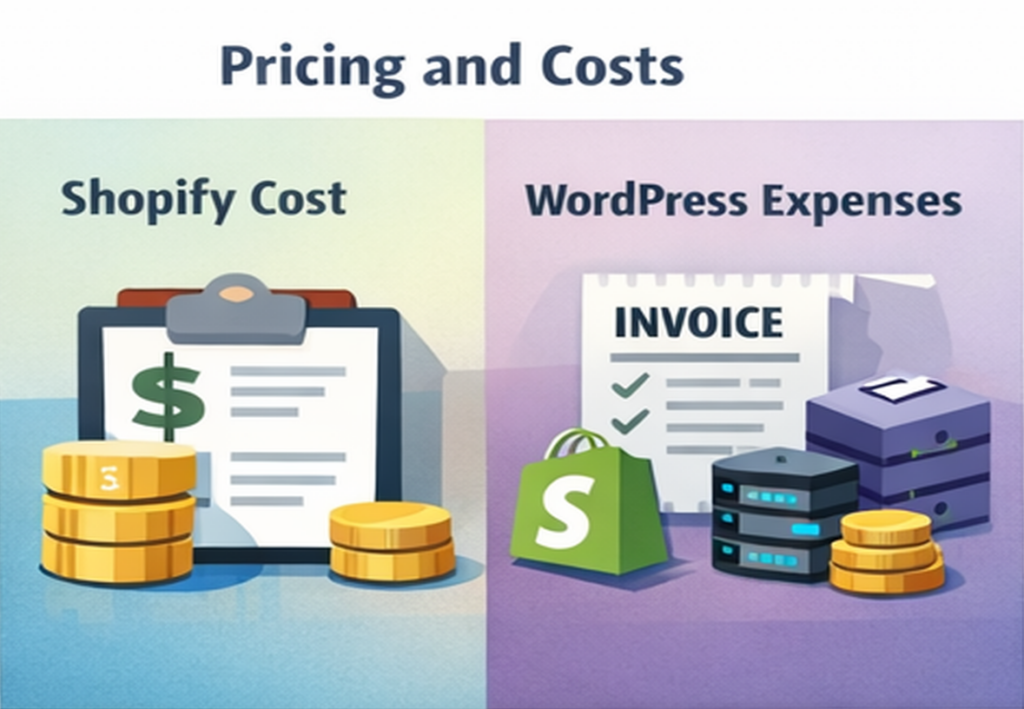
Shopify works on a subscription model. Plans start with a monthly fee, and additional costs may include apps and transaction fees.
WordPress itself is free, but costs include:
- Hosting
- Domain
- Premium themes
- Plugins
- Maintenance
WordPress can be more cost effective initially, but ongoing costs depend on customization and support.
Shopify offers predictable pricing. WordPress offers flexible pricing.
Security and Maintenance – Shopify vs WordPress
Shopify handles security, hosting, and updates automatically. This reduces technical responsibility for users.
WordPress requires manual updates for core files, themes, and plugins. Security depends on hosting and proper management.
Businesses that want a hands off approach prefer Shopify. Those with technical support or a web development agency can manage WordPress effectively.
Scalability – Shopify vs WordPress
Shopify supports growth with built in infrastructure. It can handle high traffic and large product catalogs without complex setup.
WordPress can scale as well, but requires strong hosting and optimization. Performance depends on how well the site is managed.
For fast growing ecommerce stores, Shopify offers stability. For complex and content driven sites, WordPress provides flexibility.
When to Choose Shopify
Choose Shopify if:
- You want a quick launch
- You prefer simple setup
- You do not want to manage hosting or security
- Your focus is purely ecommerce
When to Choose WordPress
Choose WordPress if:
- You need full control over design and features
- You want strong SEO capabilities
- You plan to build a content heavy website
- You have access to technical support or a web development agency
Final Thoughts
Both Shopify and WordPress are strong ecommerce platforms. The right choice depends on your business needs.
Shopify is ideal for simplicity and speed. WordPress is better for flexibility and customization. A web development agency can help evaluate your requirements and recommend the best option.
Focus on long term goals, budget, and technical resources before making a decision.